
The platform
 15:52▶
The TechUPGRADE platform
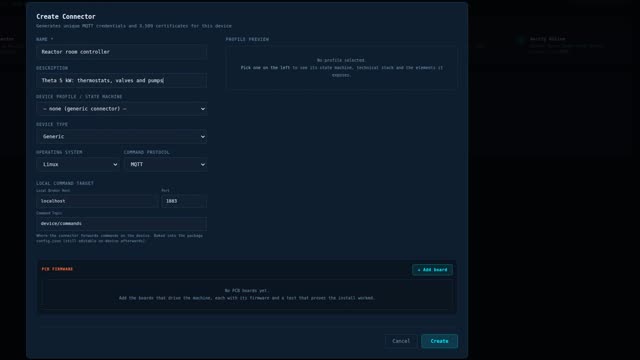
The whole platform: architecture, technologies, protocols, tenants and security, then every module on the live system — simulations and studies, connectors, scenarios, comparison, 2D and 3D, the owners and the research owner — and the further use cases (demo plants, smart homes).
 15:07▶
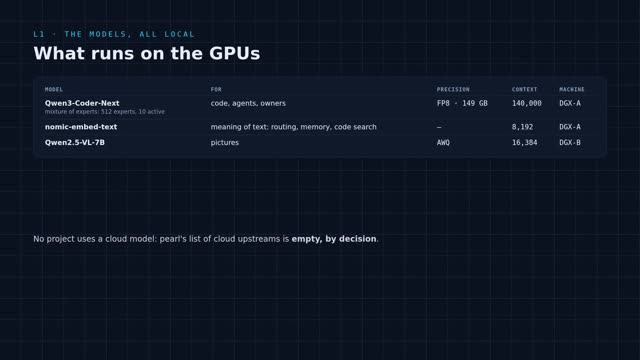
AI infrastructure, L0–L4
Our own language models on our own GPUs: FVLLMP and its gateway, the development and audit layer, the owner agents.
 13:35▶
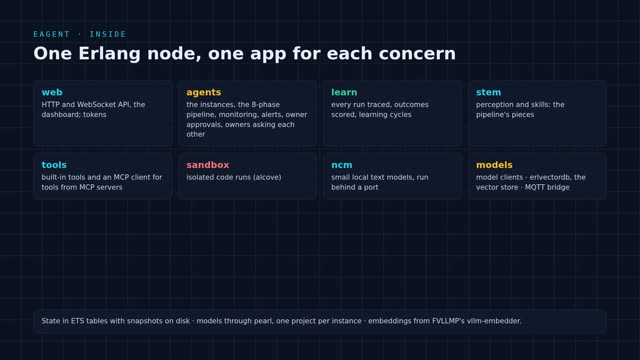
TechUPGRADE AI agents
Hermes plans, Claude Code develops; eagent owners know and watch every component and device, and talk to each other.
 5:27▶
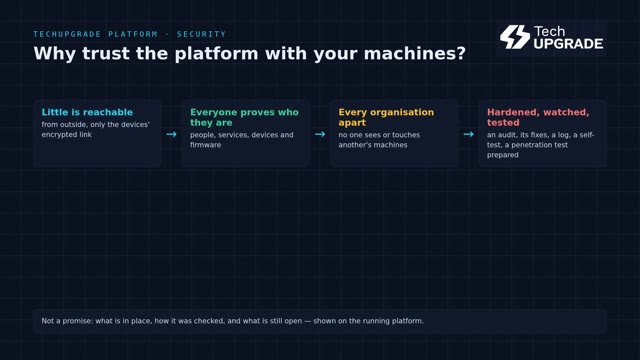
Security: why trust the platform
What can be reached, sign-in and sessions, organisations kept apart, devices and signed firmware, the hardening inside, the audit's 19 findings and their fixes, the self-test, the security log, backups, the penetration test prepared — and what is still open.
 6:01▶
Research: from a paper to a paper
The PINN owner reads arXiv every day; a search finds the column's paper, the platform reproduces it beside the paper's numbers, and the owner writes the comparison as an arXiv-style paper — with the time from search to paper.
The reactor room in 2-D and 3-D
 4:26▶
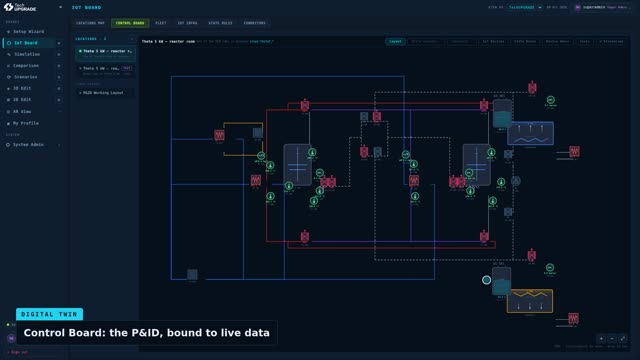
Theta 5 kW reactor room — 2-D
The room's P&ID as a live control board: 42 devices bound to the reactor cycle.
 3:35▶
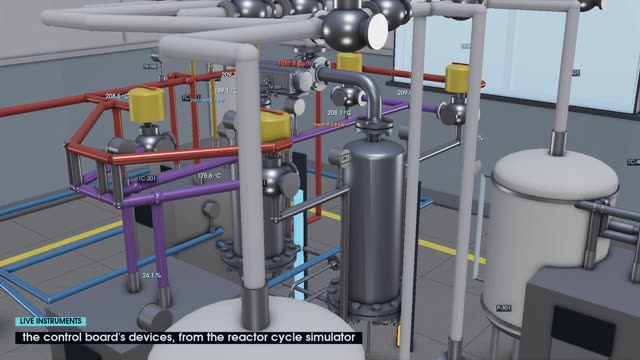
Theta 5 kW reactor room — 3-D
The same room in 3-D, with the reaction inside the two reactors.
 10:29▶
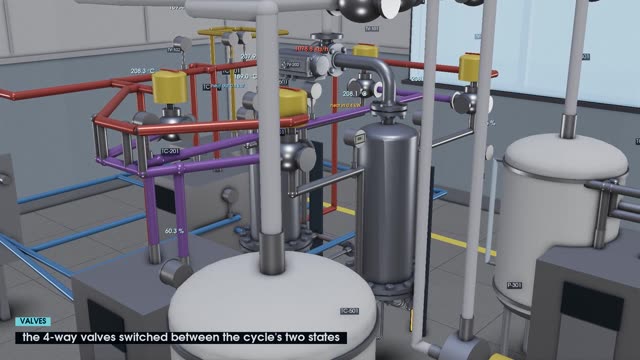
3D Visualization
The 3-D system: architecture, technologies, the tools — valves, volumes, cut planes, vapour flow, isosurfaces.
 5:36▶
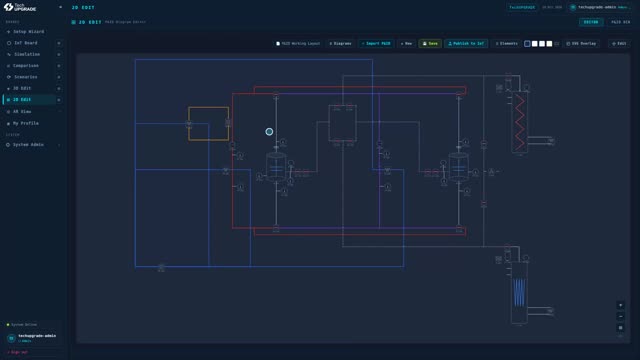
2D Editor
From a P&ID drawing to a live board: upload, recognition, edit, connect to data, publish to IoT.
Modules
 6:39▶
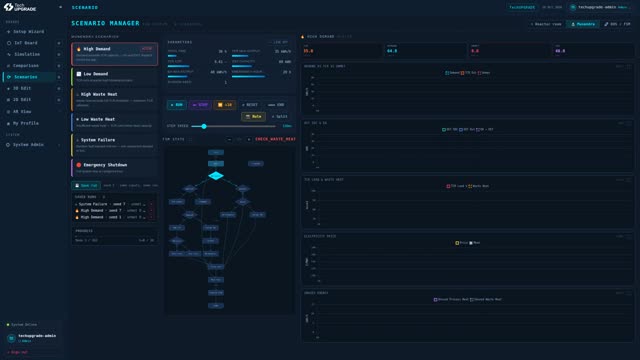
Scenario Manager
Process scenarios for the reactor room, the Munendra scenarios, and the heating state machine with its cost comparison.
 10:05▶
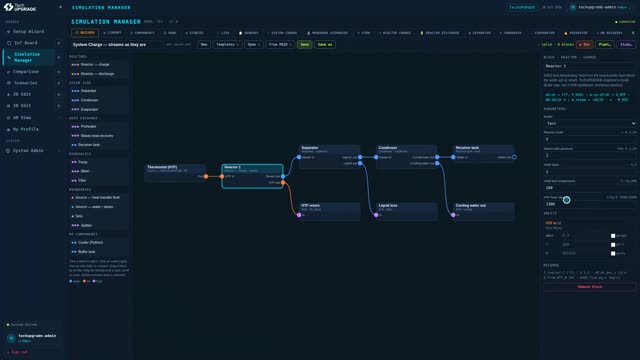
Simulation Manager
Build and run systems at three fidelities (fast, PINN, CFD), studies, optimisation, Monte Carlo, and plant replay.
 7:55▶
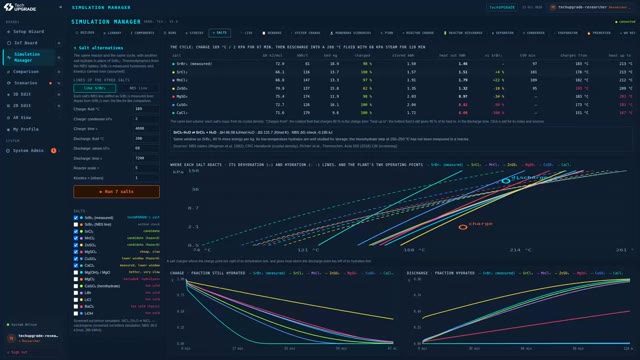
Salt alternatives
The reactor and its cycle with another salt in place of SrBr₂: 15 salts from the NBS tables, checked against DLR's measurements — strontium chloride matches it.
 7:08▶
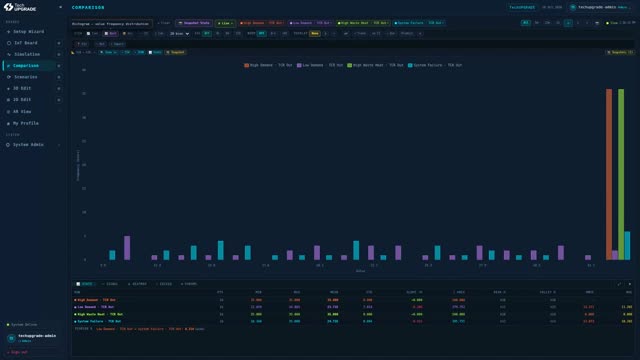
Comparison Manager
The real plant against the simulated one: statistics, heat maps, thresholds and forecasts.
 8:05▶
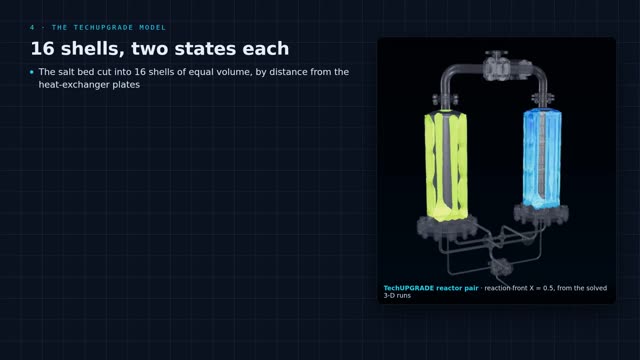
The PINN module
Physics-informed and port-Hamiltonian neural networks: the reactor's model, its constraints, a new run from the browser.
 4:38▶
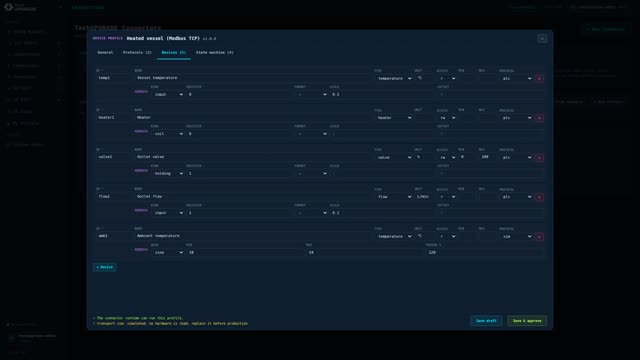
Connectors
A device profile and its state machine, approval, and a connector deployed over SSH to a client's controller.
 7:32▶
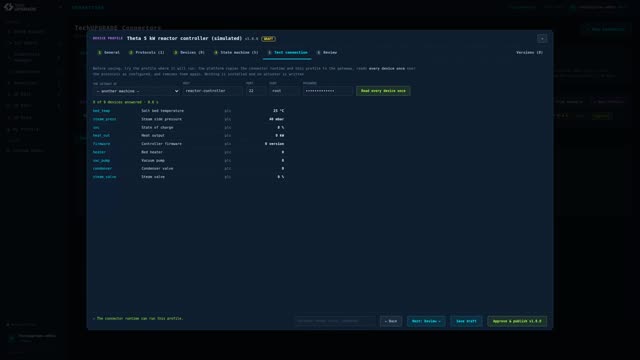
The reactor's controller, connected
The connectors' new functions on the reactor's (simulated) controller: register map, state machine, fleet and rollouts.
 3:46▶
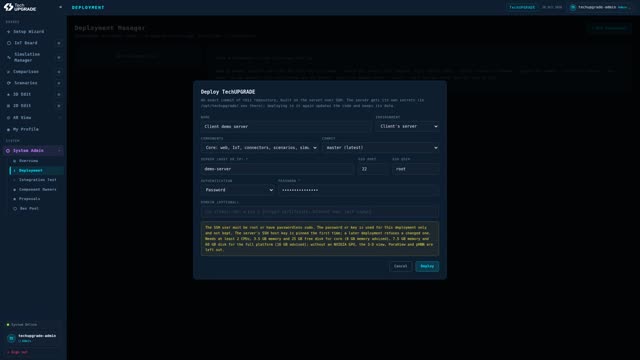
Deployment Manager
TechUPGRADE deployed from the platform to another server: the exact commit, built on the target, its own secrets.
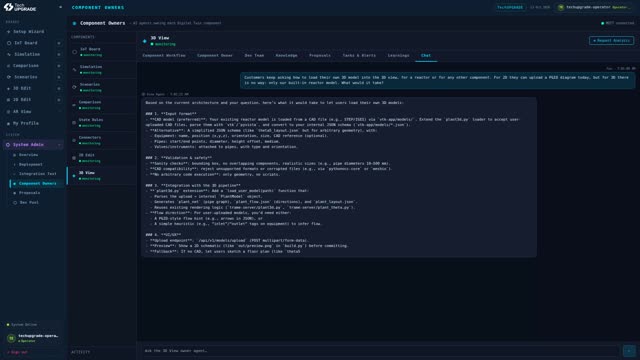
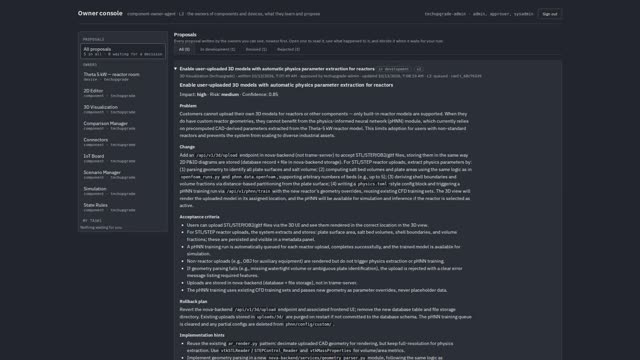
Component owners
Engineering projects
Please note: the films in this section test how far the TechUPGRADE Digital Twin Platform can carry an engineering system end to end: design, calculations, technical documentation and live monitoring. They are not certified designs. The results must be verified and approved by qualified professional engineers, and must not be used for construction or production as they stand.
 24:22▶
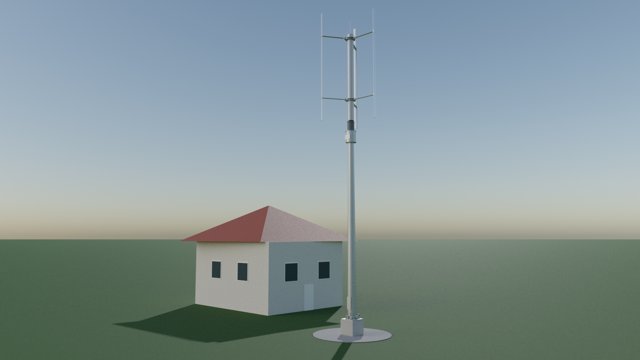
A 5 kW vertical-axis wind turbine, designed on the platform
An engineering manager, component owners and the client take a smart home's wind turbine from the site's wind to a production package: rotor, structure, drawings, electrics, boards, firmware, the connector, the digital twin and its 3D board.
 6:55▶
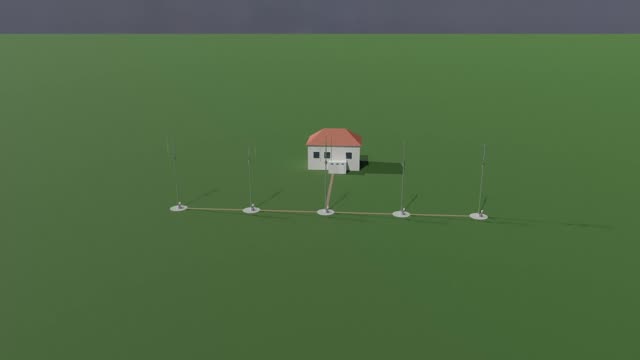
Five small vertical-axis turbines instead of one
The same house and wind as VAWT-5, but five 1.5 kW units on 12 m towers: sizing, the line and its wakes, the fast small rotor's structure, the electrics, and the design flown through in 3D, element by element.
 7:53▶
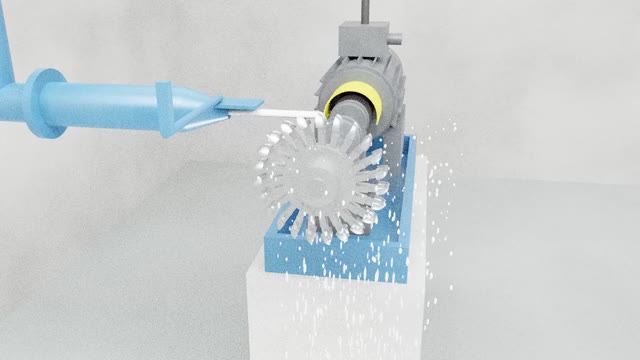
A pumped-hydro store for two weeks off-grid in winter
The same house, now with two greenhouses and two electric cars: the worst winter fortnight sets the store at 1,400 kWh, held in two covered tanks 100 m apart. Pelton turbines, pumps in a dry pit, a forecast-based winter reserve, and the moving water in 3D.
Papers reproduced
 5:37▶
Mapping a thruster plume with two probes
PINN–PONN (IEPC-2025-287) rebuilt as the tenant ponn and tested on a plume whose answer is known: it reproduces with the right prior — and the probe data, mass flow and thrust turn out not to determine how the speed varies across the plume.
 5:36▶
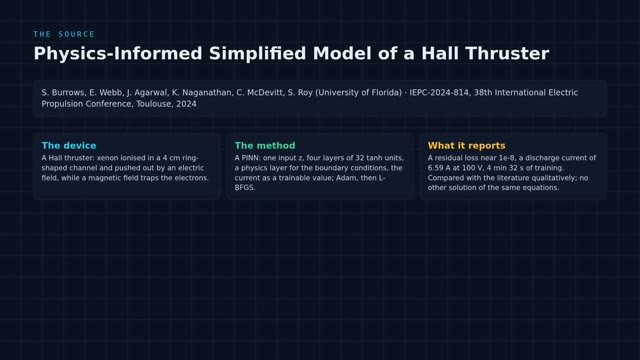
A Hall thruster, physics-informed
From a paper to a tenant: the Hall thruster PINN of IEPC-2024-814 rebuilt on the platform as the tenant hall, checked against an independent solution of the same equations, and written up as a technical report — what reproduces, what does not, and why.
 8:22▶
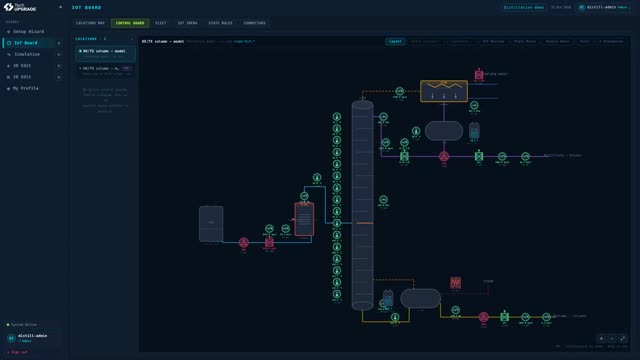
Distillation column
A second test case: the hexane/toluene column, a theoretical model, with IoT, simulation, 3-D view and PINN.
Further use cases
 12:00▶
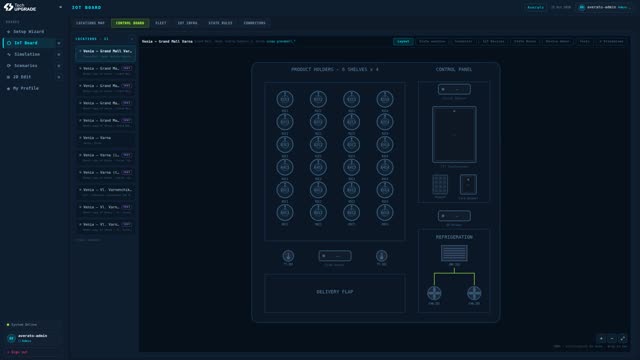
Vending machines
The first use case on the platform: a real vending machine twinned — fleet, live control board, scenarios on a test copy, alarms, its device owner, maintenance in production. Then the machine in 3D and its planogram: products in, holders, lanes and trays proposed, the machine filled in 3D.
 5:43▶
Smart homes — XYZbuilders
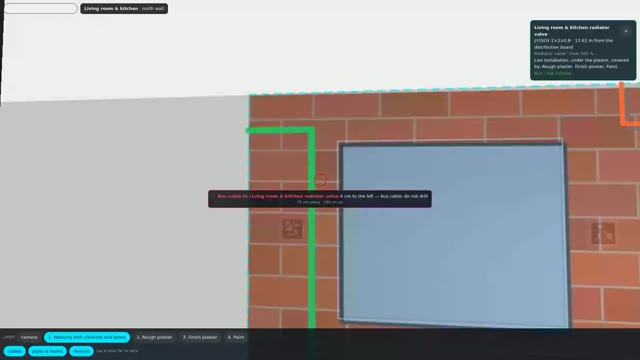
A builder's use: a home's smart devices planned on its 3D plan with their cables in the installation zones, the home's Control Board, each wall photographed layer by layer as it is built, and an AR view that shows the owner the cables and pipes inside the walls before anyone drills.
 8:54▶
Antarctica: a hut, and the platform on one box
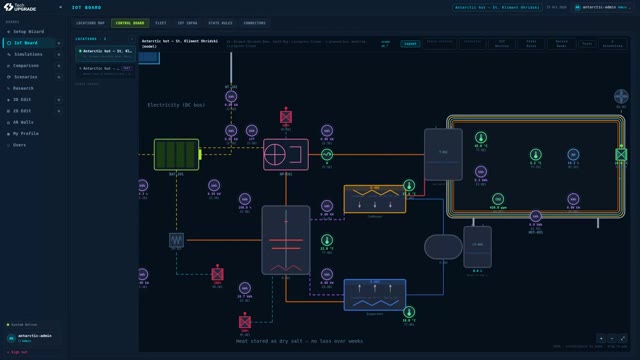
A hut for two researchers at St. Kliment Ohridski Base heated by wind, sun and the SrBr₂ reactor with no backup: ten years of corrected weather, the Munendra scenarios adapted, 2,880 designs sized, box or half sphere, the live hut on the platform, an arXiv-style paper by the research owner — and the whole platform with its intelligence on one DGX Spark at the station, offline, with what that still takes.